
Introduction
Walk into most furniture shops in cities like Nairobi or Mombasa and ask a simple question: “This dining table is made from which wood?”
In many cases, the answer you’ll get is something like “mahogany” — even when the furniture might not actually be mahogany.
This is one of the biggest challenges in the Kenyan furniture market today. Many buyers want strong, long-lasting furniture, but they are not familiar with the different wood types used by furniture makers. And because of that, some sellers take advantage by using stains and clever finishing techniques to make one type of wood look like another.
If you grew up in rural Kenya, you may have seen different trees and probably know that not all wood is the same. But in urban areas, most buyers interact with wood only after it has already been processed into furniture.
Kenya has hundreds of tree species used in timber production. Broadly, they fall into two main groups:
-
- Hardwoods
-
- Softwoods
Hardwoods typically take many decades to mature. For example, some hardwood species like Meru oak can take 50 years or more before harvesting. Softwoods, on the other hand, grow faster. Trees such as cypress can be harvested in about 25–30 years.
Generally speaking, the longer a tree takes to grow, the denser and more compact the wood grain becomes. Dense grains often mean stronger wood, which is why hardwoods are preferred for premium furniture.
But identifying wood types is not easy if you are not familiar with them. Experienced furniture makers often recognize wood through several clues:
-
- Grain pattern
-
- Natural color
-
- Weight
-
- Even smell when freshly cut
For example, eucalyptus (bluegum) has a distinctive mint-like smell when freshly cut. Mahogany, on the other hand, is recognized more by its rich reddish color and fine grain pattern.
However, things get complicated because the furniture industry uses wood stains. These are finishing products designed to change or enhance the color of wood.
Two of the most common stains used in Kenya are:
-
- Mahogany stain
-
- Walnut stain
These stains come in both oil-based and water-based versions, and when applied correctly they can completely transform the appearance of a piece of wood.
A skilled furniture maker can take a softer wood like cypress or pine and apply mahogany stain in a way that makes the furniture look almost identical to real mahogany.
For buyers who are not familiar with wood grains, this can easily lead to confusion — and sometimes even overpaying for furniture that is not made from the wood they think it is.
Because of this, platforms like Woodwawa encourage buyers who want premium furniture to choose woods that are easier to identify naturally, such as:
-
- Mahogany
-
- Mvule
-
- Elgon teak
These woods have very distinctive natural colors and grain patterns.
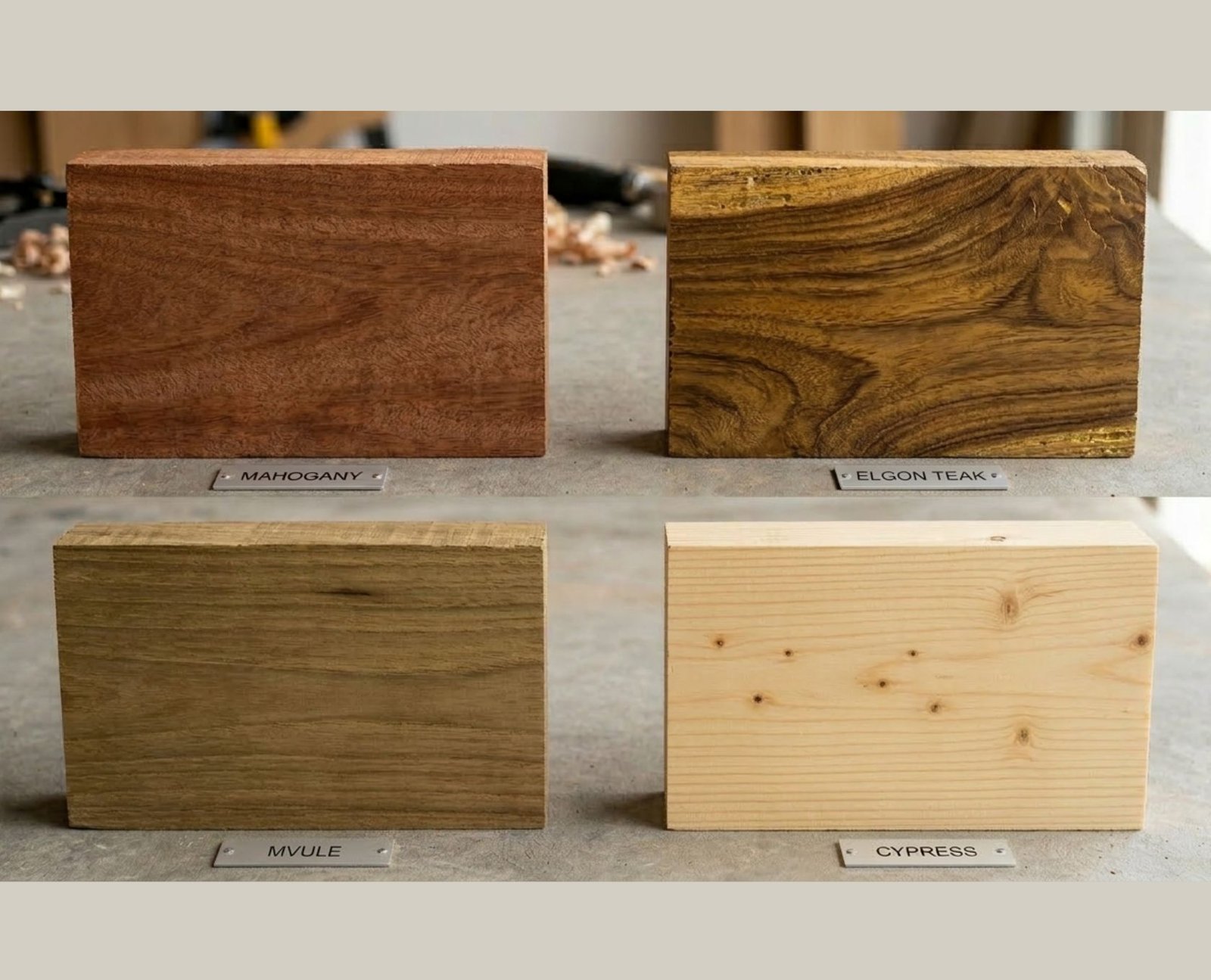
Mahogany is deep reddish, mvule has a golden-yellow tone, and Elgon teak is known for its dark natural patterns.
There are also more economical woods commonly used in Kenyan workshops, including:
-
- Cypress
-
- Pine
-
- Bluegum
-
- White oak
Each of these woods has its own strengths, uses, and price range.
Understanding these differences can help you make better decisions when buying furniture — whether you are furnishing your home, an office, or a rental property.
| Wood Type | Strength | Price Level in Kenya | Best For |
|---|---|---|---|
| Mahogany | Very strong | High | Premium beds, dining tables |
| Mvule | Extremely durable | High | Outdoor furniture, heavy beds |
| Elgon Teak | Very durable | High | Benches, garden furniture |
| Cypress | Moderate | Affordable | Budget furniture, beds |
| Pine | Moderate | Affordable | Sofa frames, internal structures |
Table 1: Quick Comparison of Common Furniture Woods in Kenya
| Wood Type | Visual Close-Up Description | Color Profile | Common Grain Pattern |
| Mahogany | Fine, uniform pores; looks “crisp” and structured. | Reddish-brown to pink-tan; darkens to a deep wine-red. | Straight or interlocked (produces a ribbon stripe). |
| Mvule | Large, open pores; often shows small yellow “mineral” flecks. | Golden-yellow (fresh) to dark chocolate brown (aged). | Wavy, irregular, and often “turbulent” looking. |
| Elgon Teak | Smooth, high-luster surface; looks “cleaner” than Mvule. | Pale yellow to olive-brown with occasional dark streaks. | Mostly straight and very uniform; very fine texture. |
| Cypress | Bold, visible growth rings; distinct “cathedral” arches. | Creamy yellowish-white to light tan; stays light. | Prominent ring patterns with frequent small knots. |
Table 2: Comparison Table: Grain & Color
Mahogany Furniture
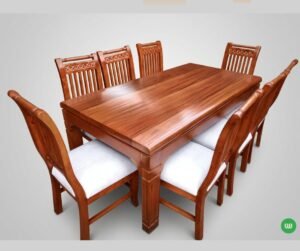 Image 1 : Mahogany dining set showing natural reddish grain
Among all the woods used in furniture making, mahogany is one of the most respected worldwide.
It is known for its beauty, strength, and long lifespan. A properly dried mahogany tree can take more than 50 years to mature, which contributes to the density and durability of the wood.
In Kenya, much of the mahogany used by furniture makers is imported from the Democratic Republic of Congo through Uganda. Some smaller quantities also come from western regions of Kenya such as Kisii, but imports still make up a large share of the supply.
Because of the import process, mahogany timber is usually more expensive than locally grown woods. This is one of the reasons why genuine mahogany furniture tends to be priced higher than other options.
One of the most attractive features of mahogany is its natural reddish color. Many people love this color so much that they prefer to leave the wood almost natural, applying only a clear varnish to protect the surface.
The grain structure of mahogany is also very compact and stable, which means furniture made from it is less likely to warp or crack when properly dried and maintained.
However, even real mahogany furniture sometimes requires staining. This may happen if different pieces of timber have slightly different shades. A light mahogany stain can help create a uniform appearance across the entire furniture piece.
Another important point many buyers do not realize is that weight alone does not prove wood quality.
Some freshly cut timber can feel heavy simply because it contains a lot of moisture. Unscrupulous sellers may use such wood to make furniture feel heavier so buyers assume it is hardwood.
That is why experienced buyers always check grain pattern and color, not just weight.
Mvule Furniture
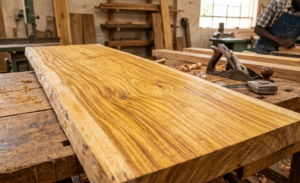
Image 2: Mvule timber showing golden-yellow grain
Mvule is another premium hardwood widely used in furniture making across East Africa.
It is easily recognized by its golden-yellow color, which gives furniture a rich and warm appearance even before finishing.
Mvule trees grow slowly and produce very dense timber, which makes the wood extremely strong and durable. Because of this strength, mvule is commonly used for furniture that needs to handle heavy use.
You will often find mvule used for:
-
- Solid wood beds
-
- Dining tables
-
- Outdoor benches
-
- Heavy cabinets
Furniture made from mvule is usually considered premium furniture and can last for many years when properly maintained.
Another advantage of mvule is its natural resistance to insects and environmental wear, making it suitable even for outdoor applications.
Because of its durability and long growth cycle, mvule furniture is typically more expensive than furniture made from softwoods.
But for buyers looking for long-term investment furniture, it is often worth the price.
Elgon Teak
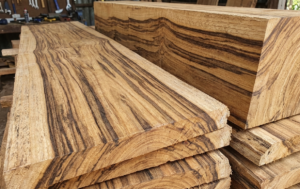
Image 3: Elgon teak wood showing distinctive dark grain patterns
Elgon teak gets its name from the regions around Mount Elgon, where the timber is commonly harvested.
This wood is valued for its distinctive natural grain patterns, which often appear as dark streaks running through the wood.
These patterns give Elgon teak furniture a unique visual character that many buyers appreciate.
The wood itself is also very durable and resistant to environmental damage, which makes it an excellent option for:
-
- Outdoor benches
-
- Garden furniture
-
- Verandas and patios
Compared to mahogany, Elgon teak tends to be slightly heavier and more rugged, making it particularly suitable for outdoor use.
Cypress Wood
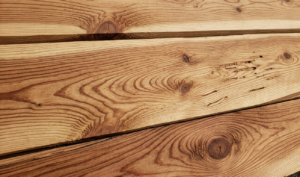
Image 4-cypress grain showing eye-like patterns
Cypress is one of the most common woods used in Kenyan furniture workshops.
You will find it being used by furniture makers in both rural and urban areas because it is relatively affordable and widely available.
Cypress is classified as a softwood, but when harvested at the right maturity and properly treated, it can still be quite durable.
One of the easiest ways to recognize cypress is its eye-like grain patterns and the fresh scent it produces when cut.
The wood is commonly used for:
-
- Bed frames
-
- Doors
-
- Roofing structures
-
- Budget furniture
When treated well, cypress can resist termites better than some other softwoods.
For buyers working with a limited budget, cypress offers a good balance between affordability and durability.
Pine
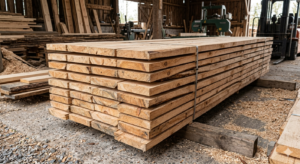
Image 5: image showing Pine timber planks
Pine is another softwood commonly used in the Kenyan furniture industry.
It is usually priced similarly to cypress and is widely available in timber yards.
Pine is relatively lightweight and easy to work with, which is why many furniture makers use it for internal frames, especially in sofas and dining chairs.
Another advantage of pine is that it accepts stains very well. This means it can be stained to resemble darker woods like mahogany.
However, buyers should always be aware of the difference between real hardwood furniture and stained softwood furniture, especially when comparing prices.
Which Wood Is Best for Beds?
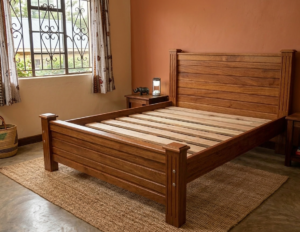
Image 6: Solid wood bed inside a bedroom
Beds need strong wood because they carry weight every day for many years.
For premium beds, some of the best options include:
-
- Mahogany
-
- Mvule
-
- Elgon teak
These woods are strong and naturally resistant to termites.
However, to reduce costs, some furniture makers combine different woods within the same bed structure.
For example, the visible outer parts may be made from premium hardwood, while the internal support structure where the mattress rests may use more affordable woods such as:
-
- Bluegum
-
- Cypress
Since this part is covered by the mattress, it does not affect the overall appearance of the bed but helps keep the cost manageable.
For painted beds — such as white or black designs — some manufacturers may also use MDF boards for decorative sections like the headboard.
This reduces the amount of solid wood required and lowers the final price.
But buyers should always confirm what materials are used so they do not pay solid hardwood prices for mixed-material furniture.
To explore options available, you can
Browse solid wood beds on Woodwawa.
Which Wood Is Best for Dining Tables?
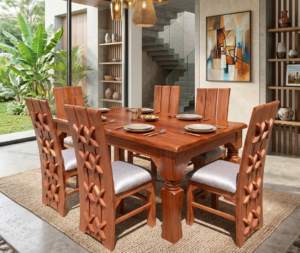
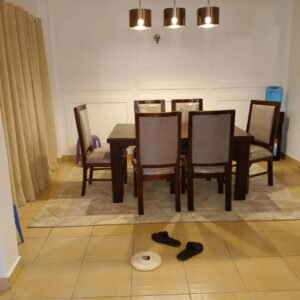
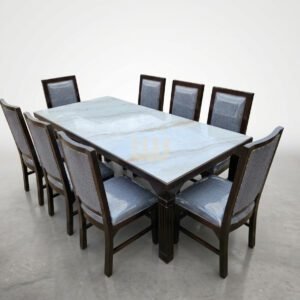
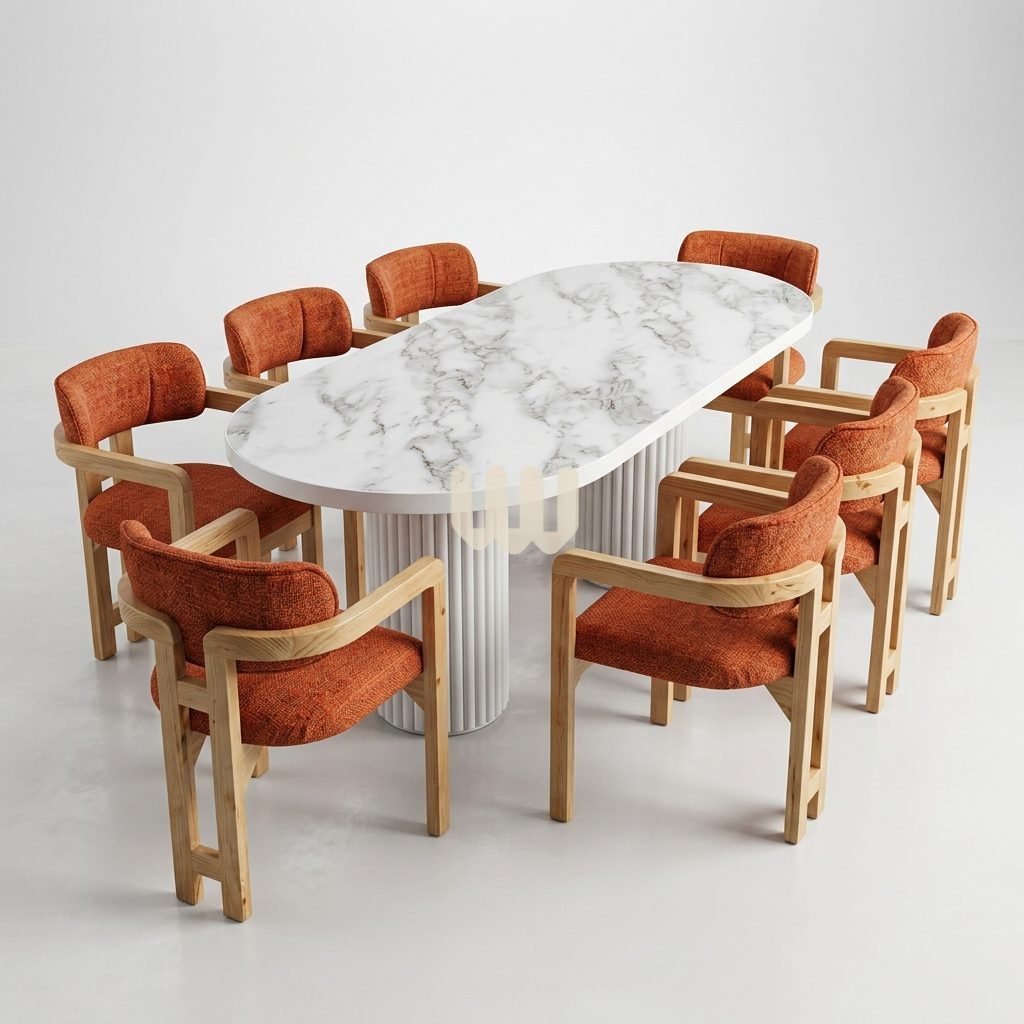
Image 7: Solid wooden dining set.
Dining tables need wood that is stable and properly dried.
If timber still contains moisture, the table top may eventually warp or bend, especially if exposed to direct sunlight.
Professional furniture makers dry timber by storing it under shade with good air circulation, allowing moisture to escape slowly without damaging the wood.
Hardwoods such as mahogany and mvule are excellent choices for dining tables because they are strong and maintain their shape well over time.
For buyers who love natural wood colors, mahogany’s rich red tone makes it particularly attractive for dining sets.
You can
See dining sets available on Woodwawa.
Common Mistakes Kenyan Buyers Make When Buying Furniture
Many buyers judge furniture quality based only on appearance or weight.
However, this can be misleading because:
-
Wood stains can make softwood look like hardwood
-
Fresh timber can feel heavy because of moisture
-
Some furniture mixes solid wood with MDF boards
A good practice is to inspect unfinished sections of the furniture frame before purchasing.
You can also
Browse verified furniture sellers on Woodwawa.
Frequently Asked Questions
Which wood lasts longest for furniture in Kenya?
Mvule, mahogany, and Elgon teak are among the most durable woods used by Kenyan furniture makers.
Is cypress wood good for furniture?
Yes. Cypress is affordable, widely available, and fairly durable when properly treated.
How can I know if furniture is real mahogany?
Check the grain pattern, natural reddish color, and unfinished sections such as the bottom of furniture legs or inside the frame.
Which wood is best for beds in Kenya?
Mahogany, mvule, and Elgon teak are excellent choices because they are strong and resistant to termites.
Furniture Buying Tips
There are thousands of wood species worldwide, and each behaves differently when used for furniture.
For buyers who are new to the furniture market, one of the safest strategies is to choose woods that are easily recognizable even before staining or painting.
Whenever possible, take time to visit the workshop where the furniture is being made. Seeing the frame before finishing can tell you a lot about the materials used.
If the furniture is already finished, there are still ways to inspect it.
For example:
-
- Look underneath the furniture
-
- Inspect the bottom of the legs
-
- Check inside the frame if possible
These areas are often left unfinished, making it easier to see the true natural color of the wood.
In some cases, you can even ask for a small piece of sandpaper and lightly rub an invisible part of the furniture.
This reveals the actual wood beneath the paint or stain.
If the natural color does not match what the seller claimed, it may be a sign that the furniture was stained to imitate another wood.
Conclusion
The Kenyan furniture industry offers many wood options, each with its own strengths, appearance, and price range.
Premium woods like mahogany, mvule, and Elgon teak provide exceptional durability and beauty. Meanwhile, more affordable woods like cypress and pine can still offer good value when properly used.
The key for buyers is to understand these differences and take time to inspect furniture carefully before making a purchase.
By learning how to identify wood types and working with trusted sellers, buyers can make better decisions and invest in furniture that will last for many years.
If you want to explore verified furniture options from trusted makers, you can start by browsing furniture by wood type on Woodwawa.


[…] Mahogany vs Mvule vs Cypress: Which Wood Is Best for Furniture in Kenya? […]