
Introduction
If you’ve ever tried buying furniture in Nairobi, then you already know — it’s not as simple as it looks.
At first glance, the market feels like a goldmine. Everywhere you turn — Ngong Road, Jogoo Road, Thika Road, Gikomba — there are countless furniture sellers. Beautiful sofa sets, elegant dining tables, modern beds… all displayed in shops and all over social media.
Prices? Even better. Some deals look too good to ignore.
But here’s the truth most people only learn after losing money:
Not everything you see is what you get.
Behind the polished photos and sweet offers, there’s a side of the market many people don’t talk about. A side where:
- Cheap materials are disguised as premium quality
- Photos don’t match the final product
- Delivery promises are broken
- And in some cases… money disappears completely
The competition in Nairobi’s furniture market is intense. And while many sellers are genuine and hardworking, some have chosen shortcuts just to win customers.
As someone who understands this industry from the inside, let me tell you this clearly:
The problem is not finding furniture.
The problem is finding someone you can trust.
This is exactly why platforms like Woodwawa exist — to
connect you with verified furniture sellers
and help you avoid the common traps.
Let’s break down the real scams happening today — and how you can stay ahead of them.
1. Fake Social Media Sellers

Image 1: Screenshot of scammer-like Facebook page
This is currently the number one way people are losing money.
A scammer can sit anywhere — even in areas like Githurai or towns like Eldoret — and create a Facebook page or TikTok account pretending to sell furniture.
They don’t have a workshop.
They don’t have stock.
They don’t even know how furniture is made.
What they have are good photos and low prices.
You’ll see something like:
“6-seater mahogany dining set — Ksh 20,000”
Meanwhile, any real seller knows that same set should cost around Ksh 40,000 or more.
But because the price looks like a “deal”, many buyers rush in.
How the Scam Actually Happens
There are two common tricks.
First scenario: The double game
The scammer pretends to be both buyer and seller.
- They find a real furniture maker
- Order furniture with payment after delivery
- Then send it to you (the real buyer)
When the item arrives, you feel confident — “Ah, this is legit.”
You send money… but not to the real seller.
You send it to the scammer.
He switches off his phone.
The real seller remains unpaid.
You lose your money.
Second scenario: Pay first, regret later
You’re told to pay before delivery.
You send money.
Immediately after… you’re blocked.
No calls. No messages. No furniture.
How to Protect Yourself
- Always insist on payment after delivery
- Compare prices — if it’s too cheap, question it
- Check how long the page has existed
- During delivery, ask the driver where the furniture came from
- After payment, request a proper receipt
- Use Till Number instead of direct M-PESA transfer
- Report suspicious sellers in
MLIKA Fundi community on Woodwawa
2. The Wrong Wood Scam
This one is very common — especially with dining sets and beds.
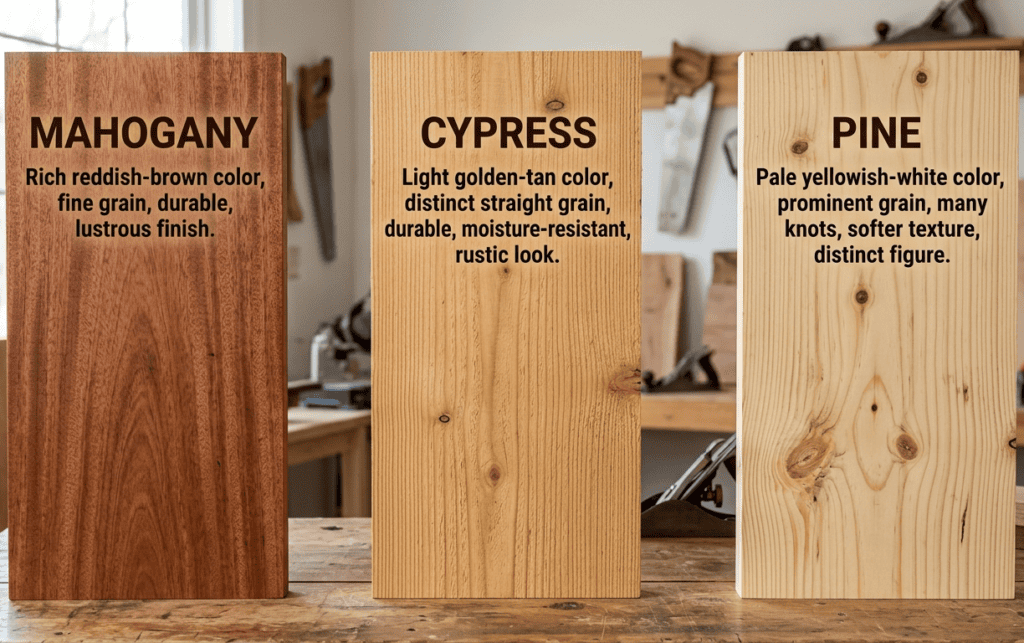
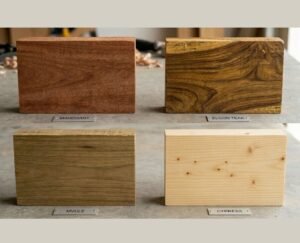
Image 2: Side-by-side image showing comparison: Mahogany vs Cypress vs Pine
You order a mahogany set, expecting strength and durability.
What you receive looks like mahogany… but it’s not.
It could be:
- Cypress
- Pine
- Grevillea
All stained to mimic hardwood.
To the eye, it looks convincing. But after a few months?
- Cracks begin
- Joints weaken
- The furniture loses strength
And suddenly, that “good deal” becomes expensive.
How to Avoid This Trap
- Don’t trust words — verify materials
- Learn basic wood types (very important)
- If possible, visit the workshop
- Look at wood offcuts — they tell the truth
- Understand stains like mahogany vs walnut
If you’re unsure, take time to
learn about wood types before buying
3. Poor Finishing That Doesn’t Last
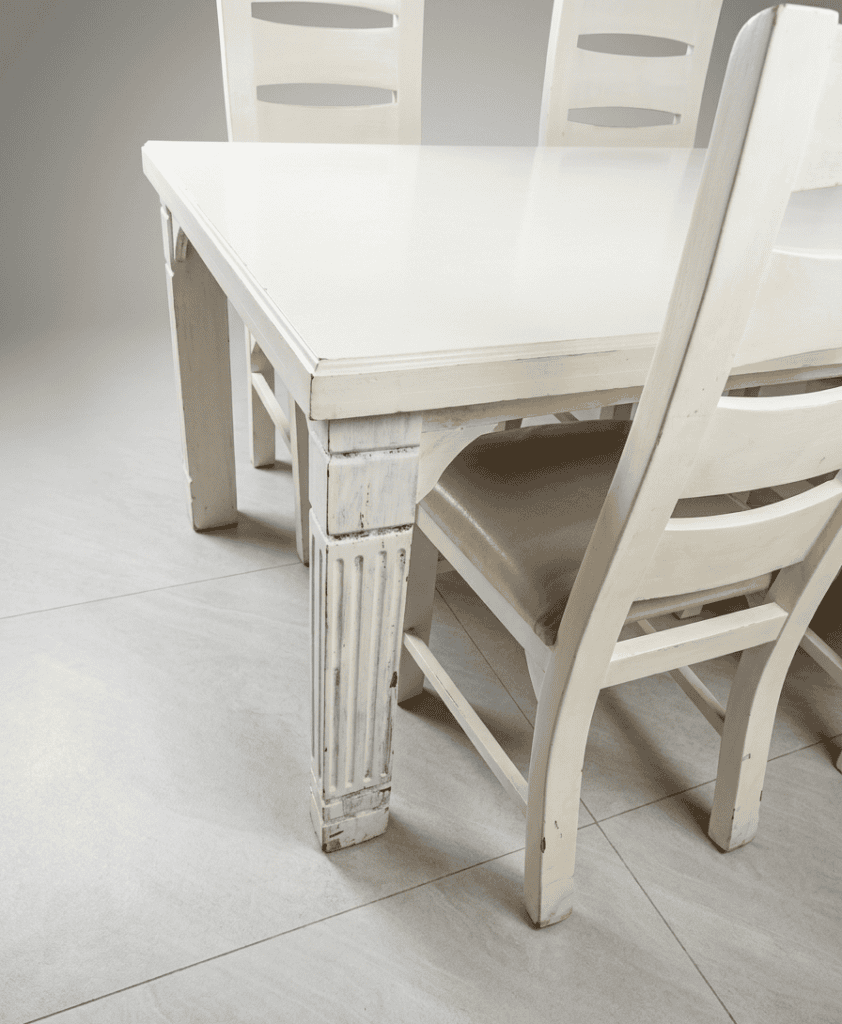
Image 3: wood defects close up
Some furniture looks perfect in photos… but disappoints in real life.
You’ll notice things like:
- Rough surfaces when you touch
- Poor sanding
- Loose joints
- Uneven nails
- Weak support structures
In many cases, sellers rush finishing just to deliver fast.
Within weeks:
- Polish fades
- Surfaces become dull
- Structure starts weakening
What to Check Before Accepting Delivery
- Touch the surface — is it smooth?
- Check underneath the furniture
- Inspect joints and support brackets
- Look out for fresh/wet paint
Good finishing is not rushed. It takes time.
4. Delivery Problems and Hidden Costs

Image 4: Furniture transporting pick-up
Another common issue — delivery confusion.
You’re told:
“We’ll deliver tomorrow at 2 PM.”
Then the reality:
- Delivery comes at 9 PM
- Wrong item is delivered
- Or the item is damaged
Sometimes, the biggest shock comes after delivery:
“Transport ilikuwa 3,000 by the way.”
And you were never told.
How to Avoid This
- Agree on delivery time (7 AM – 6 PM is best)
- Confirm transport cost in advance
- Insist on proper packaging (especially for long distances)
5. Wrong Materials (Foam, Fabric, Nails)
This mostly affects sofas and dining chairs.
Some sellers use whatever is available in the workshop to cut costs.
Examples:
- Low-density foam sold as high-density
- Cheap fabric presented as premium
- Weak nails used instead of proper structural ones
Simple Kenyan Foam Guide

Image 5: foam colors comparison (green/mint, black, blue)
- High density → usually green/mint or dark purple
- Medium density → black or pink
- Low density → blue
If your sofa sinks too fast… that’s low density.
How to Protect Yourself
- Ask about foam density clearly
- Touch and feel before accepting
- Ask about fabric quality
Don’t just look — understand what you’re buying.
6. Fake Showroom Staff
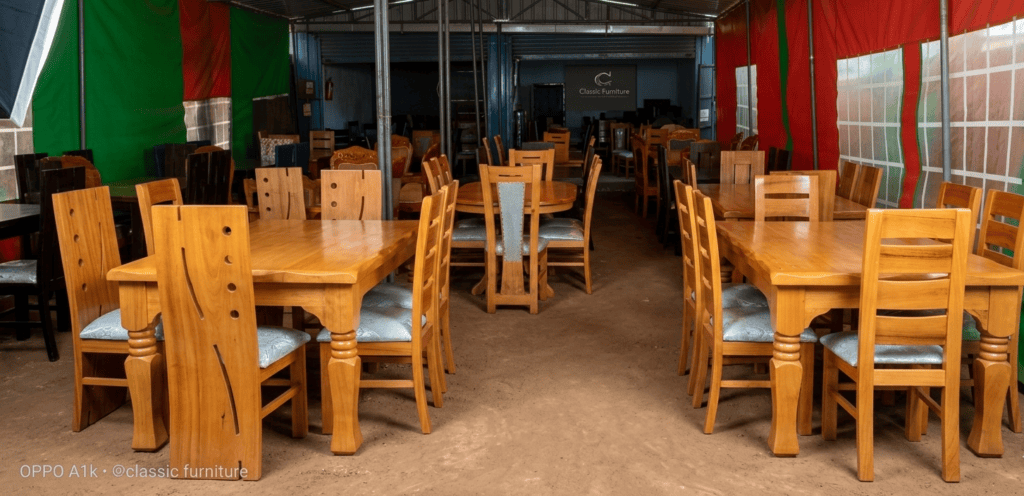
Image 6: local nairobi showroom interior
This one shocks many people.
You walk into a showroom, talk to someone confidently, pay a deposit…
Later you’re told:
“Huyo si staff wetu.”
That person doesn’t work there.
Your money is gone.
How to Stay Safe
- Ask for a business card
- Confirm the showroom name
- Always get a receipt
7. Custom-Made Gone Wrong
You bring your dream design.
You pay a deposit.
Then what you receive is completely different.
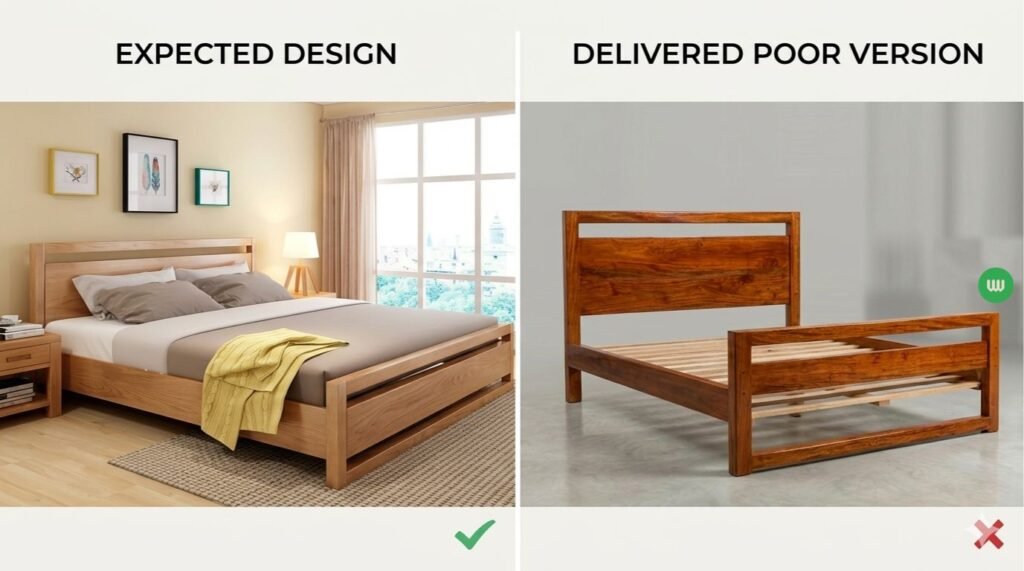
Image 7: Left-expected design, Right-delivered poor version
When you complain:
“Hiyo pesa tulishatumia kwa material.”
No refund. No solution.
How to Avoid This
- Ask to see similar past work
- Start with one sample
- Check reviews and reputation
- If unsure, buy ready-made
browse ready-made furniture options instead
8. How to Verify a Seller
Before trusting anyone, confirm:
- Physical location (Google Maps pin)
- Can they do a video call?
- Do they have past projects?
- Do they have real customer reviews?
You can also
verify trusted sellers directly on Woodwawa
9. The Safer Way to Buy Furniture in Nairobi
Let’s be honest — buying furniture in Nairobi can be stressful.
But it doesn’t have to be.
When you:
- Take your time
- Ask the right questions
- Avoid rushing for “cheap deals”
You dramatically reduce your risk.
The smartest approach today is simple:
Buy from trusted and verified sellers.
That’s what Woodwawa is building — a system where buyers don’t have to gamble with their money.
You can start by
browsing verified furniture sellers on Woodwawa
Final Word
The Nairobi furniture market is full of talent, creativity, and opportunity.
But it also has its fair share of shortcuts and scams.
The difference between a good experience and a bad one often comes down to information.

Image 8; customer receiving dining set
Now you have it.
So next time you’re buying furniture:
- Don’t rush
- Don’t trust blindly
- Don’t chase cheap deals
Instead — buy smart.
And if you want peace of mind, always
explore trusted options on Woodwawa.