
Buying furniture should be exciting. Whether you are moving into a new house, upgrading your living room, or furnishing a rental apartment, furniture is one of the things that makes a house feel like home.
But in Kenya, buying furniture is rarely that simple.
Many people have stories of furniture that looked beautiful in the showroom or workshop, only to start cracking, bending, or fading after a few months. Others pay deposits and never see the furniture again. Some are promised “mahogany,” only to discover later the furniture was made from mixed wood.
If you talk to homeowners across cities like Nairobi, Mombasa, or Kisumu, you will hear similar experiences.
The problem is not that Kenya lacks skilled furniture makers. In fact, the country has thousands of talented artisans working in the Jua Kali sector, producing everything from beds and wardrobes to custom dining sets.
In reality, the Jua Kali sector controls a large portion of Kenya’s household furniture market, with many artisans operating small workshops across urban and rural areas.
The real challenge is trust, transparency, and access to verified sellers.
This is exactly where Woodwawa comes in.
Woodwawa is designed to connect buyers with verified furniture makers, helping people avoid common mistakes that cost thousands of shillings.
In this guide, we will explore the most common furniture buying mistakes in Kenya — and how to avoid them.
1. The “Mahogany” Lie: Not All Wood Is What It Claims to Be
If you have ever shopped for furniture in Kenya, you have probably heard this line:
“Boss, hii ni pure mahogany.”
But here is the truth many buyers discover later.
Not every piece of furniture labeled “mahogany” is actually mahogany.
Many workshops mix woods such as pine, cypress, and other softwoods to reduce cost.
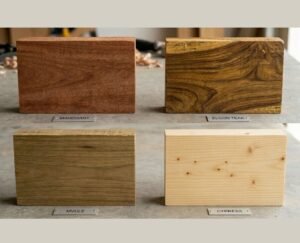
Common furniture woods in Kenya include:
- Mahogany
- Mvule
- Cypress
- Pine
Mahogany is popular because it is strong, durable, and has a rich grain that looks luxurious.
But cheaper woods like pine are softer and more affordable, which is why some sellers mix them without telling buyers.
The result?
Furniture that weakens faster than expected.
A good furniture seller should always explain:
- The exact wood type used
- Whether the wood is mixed
- Whether the timber has been properly dried
This is why many buyers now prefer verified marketplaces like:
Browse verified furniture makers on Woodwawa

Image 1; mahogany wood grains

Image 2;mvule wood grains

Image 3; cypress wood grains
2. The Deposit Disappearance Problem
This is one of the most common furniture scams in Kenya.
You visit a workshop.
You see beautiful furniture.
The seller tells you:
“Leave a deposit of Ksh 20,000 and we will deliver in two weeks.”
Two weeks pass.
No furniture.
Calls go unanswered.
The workshop disappears.
This happens because many buyers rely on informal transactions without documentation.
The lesson here is simple:
Never pay large deposits without verifying the seller.
With modern marketplaces, buyers can now:
- See verified sellers
- Compare furniture
- Check product listings
Platforms that bring transparency into local manufacturing can help solve this trust gap.
For example:
Explore custom furniture listings on Woodwawa
3. The Imported Furniture Trap
Many Kenyans assume imported furniture is automatically better.
But that is not always true.
In recent years, Kenya has seen a large increase in imported furniture, especially from China and Malaysia.
Imported furniture is often cheaper because it is mass-produced.
But there are trade-offs:
- Thin materials
- Particle board construction
- Shorter lifespan
Local furniture, when properly made, can actually last longer.
That is because hardwood furniture — like mahogany or mvule — can survive decades with proper care.
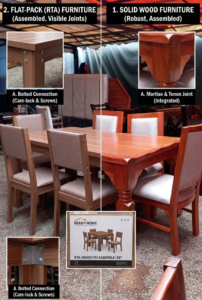
Image; solid wood dining set vs flat pack dining set
4. The Jua Kali Quality Myth
Some people believe Jua Kali furniture is low quality.
But that belief is outdated.
Across Kenya, thousands of artisans build excellent furniture using traditional carpentry skills.
In fact, the Jua Kali sector supports tens of thousands of jobs and small businesses across the country.
The real issue is visibility and marketing.
Many skilled artisans operate in small roadside workshops.
They produce excellent work but lack platforms to showcase it.
As a result, many buyers end up buying imported furniture simply because it is easier to find.
Platforms like Woodwawa aim to solve this by helping artisans reach more customers online.
You can:
Discover handcrafted furniture from local artisans
5. The Custom Furniture Communication Problem
Custom furniture is one of the best options available in Kenya.
But it also comes with risks.
Many disputes between buyers and carpenters happen because expectations are not clearly defined.
For example:
A buyer may show a photo from Instagram.
The carpenter interprets it differently.
When the furniture is delivered, the design is slightly different.
Arguments begin.
To avoid this, always:
- Provide clear measurements
- Confirm wood type
- Agree on finishing
- Document the design
Platforms like Woodwawa allow buyers to communicate specifications more clearly with sellers.
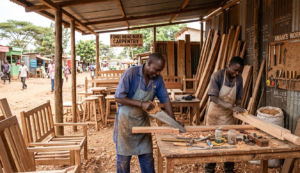
Image; kenyan wood workshop
6. The Hidden Cost of Cheap Furniture
Cheap furniture is tempting.
But cheap furniture often becomes expensive in the long run.
Why?
Because it breaks.
A cheap bed might last two years.
A solid hardwood bed might last fifteen.
In the end, the cheaper option costs more.
This is why experienced buyers focus on value, not just price.
A good approach is to compare:
- Wood type
- Construction method
- Joinery quality
- Finishing
You can compare listings here:
Compare solid wood beds available on Woodwawa
7. The Delivery Disaster
Another common issue in Kenya is delivery.
Some furniture looks great in the workshop but gets damaged during transport.
Common problems include:
- Scratches
- Broken legs
- Poor packaging
Good sellers provide secure transport or proper packaging.
Before ordering furniture, always confirm:
- Delivery method
- Delivery cost
- Packaging protection

Image; furniture being wrapped for delivery
8. Why the Future of Furniture Buying Is Online
The way people buy furniture is changing.
Just like people now buy electronics, clothes, and appliances online, furniture is moving online as well.
Global marketplaces like Amazon and Alibaba have already transformed how people discover products.
Kenya is now beginning to see the same shift.
Online marketplaces bring several advantages:
- Easy comparison
- Transparent listings
- Wider selection
- Verified sellers
This makes the buying process safer and easier.
Woodwawa is designed to bring this model into the local furniture industry.
9. Supporting Local Craftsmen
Buying local furniture does more than furnish your home.
It supports the local economy.
Kenya’s furniture industry generates billions of shillings every year and supports thousands of small manufacturers.
When you buy from local artisans, you are supporting:
- Small businesses
- Skilled craftsmen
- Local manufacturing
And in many cases, you get better quality furniture.

Image; kenyan carpenter working on furniture
Final Thoughts
Furniture is not something you buy every day.
A good piece can stay with you for years.
But the wrong purchase can become an expensive mistake.
By understanding the common traps in the Kenyan furniture market, buyers can make smarter decisions.
And with platforms like Woodwawa helping connect buyers with trusted furniture makers, the process is becoming easier and safer.
If you are planning to buy furniture soon, the best first step is to explore what is available.
Browse furniture listings on Woodwawa
You might be surprised by the craftsmanship waiting to be discovered.